Step 1
Step 3
Step 2
You’ll be matched with your personal volunteer travel expert who’ll guide you every step of the way.
Meet Your Travel Expert
Receive your welcome pack with everything you need: arrival info, contacts, visa and insurance help, packing tips, vaccines, language basics, and so much more.
Get Ready to Go!
Choose your dream project and apply for free—no commitment, just excitement!
Pick Your Destination & Apply
Step 2
Step 3
Once your dates are confirmed, pay your program fee—choose to pay in full or in easy installments.
Secure Your Spot
Step 4


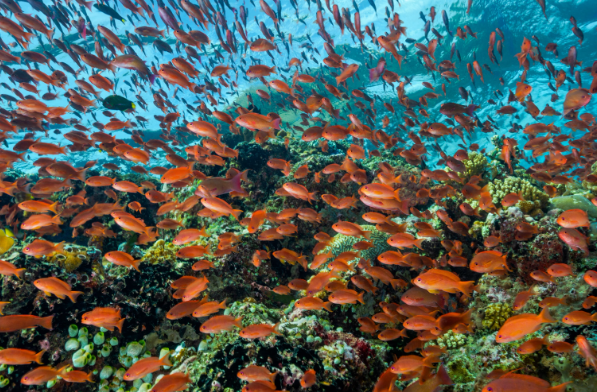


Our Travel Roots Coral Restoration & Reef Monitoring Program in the Philippines combines structured scientific reef monitoring with active coral regeneration and reef gardening initiatives.
This program supports both long-term reef health assessment and hands-on coral restoration efforts, helping strengthen ecosystem resilience in the face of climate change and environmental stress.
Coral Reef Monitoring – Reef Check & Coral Watch
Using internationally recognised Reef Check and Coral Watch protocols, volunteers assist Marine Scientists in collecting standardised data on:
• Coral health and bleaching
• Fish populations
• Invertebrate abundance
• Benthic cover and reef structureSurveys are conducted at consistent locations and times each year to eliminate seasonal variation and ensure accurate long-term trend analysis.
This data contributes to global reef monitoring databases and provides critical insight into:
• Climate change impacts
• Coral bleaching events
• Disease outbreaks
• Overfishing and ecosystem imbalanceEarly detection allows conservation teams to implement timely protection strategies.
Coral Regeneration & Reef Gardening
Beyond monitoring, this program actively restores degraded reef areas through coral gardening techniques.
Volunteers assist with:
• Maintaining underwater coral nurseries
• Growing coral fragments (including staghorn species)
• Transplanting nursery-grown corals onto degraded reef areas
• Monitoring survival and growth ratesCoral gardening increases reef complexity and biodiversity, creating habitat for fish and invertebrates while enhancing ecosystem resilience.
With ocean warming and recent El Niño events intensifying bleaching episodes, active restoration has never been more urgent.
This is practical, measurable conservation work that produces visible results.
By volunteering on our Coral Restoration & Reef Monitoring Program in the Philippines, you will:
✅ Conduct coral health surveys using Reef Check & Coral Watch protocols
✅ Monitor bleaching, disease, and reef degradation indicators
✅ Assist in underwater coral nursery maintenance
✅ Out-plant coral fragments onto degraded reef areas
✅ Contribute data to global reef monitoring initiatives
✅ Develop coral, fish, and benthic species identification skills
✅ Gain hands-on experience in reef restoration science
✅Support ecosystem resilience in the face of climate change
What to Expect: Life in Coral Restoration
This program blends structured scientific surveys with hands-on restoration work.
Participants usually arrive over the weekend, with the program beginning Monday.
Monday – Ecology & Survey Training
Introductory sessions on:
• Reef Check & Coral Watch protocols
• Coral bleaching identification
• Nursery maintenance techniques
• Coral transplantation methodsEquipment preparation and dive planning in the afternoon.
Tuesday – Skills Practice
In-water sessions focused on:
• Transect survey techniques
• Coral health scoring
• Safe nursery handling procedures
• Coral fragment attachment methodsWednesday to Friday – Active Reef Work
7:00 AM – Breakfast
8:00 AM – Equipment Prep & Briefing
8:30 AM – Survey or Restoration DiveActivities may include:
• Conducting transect surveys
• Logging coral health data
• Cleaning and maintaining coral nurseries
• Out-planting coral fragments1:00 PM – Lunch
Afternoon – Data Processing & Monitoring
Input survey data, review coral health trends, analyse growth rates, and document restoration progress.6:00 PM – Dinner
Saturday remains flexible for additional surveys or restoration needs.
Sunday is a rest day.
Your Impact in Coral Conservation
Coral reefs are among the most threatened ecosystems on Earth.
Through reef monitoring, your data contributes to:
• Detecting early signs of bleaching and disease
• Tracking long-term ecological change
• Informing Marine Protected Area managementThrough coral gardening, your hands-on efforts help:
• Restore degraded reef areas
• Increase coral cover and biodiversity
• Improve habitat complexity
• Strengthen reef resilience against climate stressWith rising sea temperatures and recent bleaching events across the Indo-Pacific, active restoration work plays a crucial role in reef survival.
Your work supports both immediate restoration and long-term conservation science.
Your Home in the Philippines – Sierra Resort, Dauin
During your time on our coral restororation Program in the Philippines, you’ll stay at the trusted partner accommodation: Sierra Resort in Dauin — a comfortable beachfront base designed for both relaxation and recovery after full research days.
Room
Accommodation is provided on a shared basis, with two participants per room. Solo travellers will be matched with a same-sex roommate.If you prefer private occupancy, single rooms are available for an additional €89 per week.
Each room includes:
• Air conditioning
• Ensuite bathroom
• WiFi access
• Comfortable bedding
• Secure storage spaceFacilities
The resort is located directly on the beach and offers:
• Two swimming pools
• On-site bar and restaurant
• Beachfront access
• Pool table
• Communal social areas
• Optional karaoke evenings (when the mood strikes!)Meals
Two meals per day (Sunday–Friday) are included in your program fee. Saturday night is traditionally dinner out in Dauin (optional and at additional cost), giving volunteers the opportunity to experience local restaurants together.
A Balanced Experience
We understand that not everyone volunteering in marine conservation wants to live in a wooden jungle hut. Sierra Resort provides a comfortable, clean, and social environment — allowing you to balance intensive conservation work with rest, recovery, and a touch of tropical comfort.
This setting creates the perfect blend between meaningful volunteering and an unforgettable coastal experience.
History
Our trusted marine conservation partner was established to protect and restore coral reef ecosystems in one of the most biodiverse marine regions on Earth. Operating in the central Philippines, the organisation works closely with local communities, dive professionals, and conservation authorities to monitor reef health and promote sustainable marine management.
Through long-term research, reef surveys, and education initiatives, the organisation has built a reputation for combining scientific rigour with grassroots conservation.
Mission & Vision
The mission is to advance marine conservation through high-quality scientific research, sustainable dive training, and meaningful community engagement.
Their vision is to protect Indo-Pacific coral reefs for future generations by training the next generation of conservationists while empowering local communities with science-based knowledge.
Program Fee
Duration Fee (EUR)
2 weeks €1,288
4 weeks €2,576
6 weeks €3,864
8 weeks €5,152
10 weeks €6,440
12 weeks €7,728Need Dive Certification?
If you are not certified to PADI Advanced Open Water level (or equivalent), a Training Week can be added prior to your Project Weeks.
Training Week (Open Water + Advanced Open Water): €851
Important Things To Note: All programs include a Travel Roots Service & Support Fee in addition to the listed program fee. This helps cover the support we provide before, during, and after your placement, including application guidance, partner coordination, pre-departure preparation, welcome pack support, and ongoing assistance throughout your journey.
Payment Terms
• Program fees are due 60 days before your start date
• If applying within 60 days of arrival, full payment is due within 48 hours of confirmation
What’s Included
Your program fee covers everything required for a structured and hands-on coral conservation experience:
✅ Coral reef monitoring using Reef Check & Coral Watch protocols
✅ Underwater coral nursery maintenance and reef gardening
✅ Coral fragment preparation and out-planting dives
✅ 30–40 research and restoration dives per month (weather permitting)
✅ Workshops on coral health, bleaching, disease & Indo-Pacific species identification
✅ Marine Protected Area fees
✅ Full scuba equipment (personal mask, fins & wetsuit recommended for comfort)
✅ All necessary field and monitoring equipment
✅ Shared accommodation at Sierra Resort (2 per room)
✅ Two meals per day (Sunday–Friday; Saturday dinner out night optional)
✅ 24-hour in-country support
✅ 24-hour internet access
✅ Airport/Ferry pickup from Dumaguete
✅ Fair & Flexible Refund Policy✅ Certification of Volunteering Completion
✅ So Much More
What’s Excluded
✖️ Flights
✖️ Visa costs (if required)
✖️ Travel insurance
✖️ Personal expenses
✖️ Additional tours or activities
✖️ Vaccinations (if required)
Your Investment in Coral Reef Restoration, Marine Conservation & Yourself
Joining our Coral Restoration Program in the Philippines is far more than just a travel experience — it’s a meaningful investment in ocean conservation, reef restoration, and your own personal development. Working alongside passionate marine conservation teams, you’ll gain hands-on experience helping to restore and protect some of the world’s most important and fragile coral reef ecosystems.
From assisting with coral planting and reef monitoring to supporting marine research and environmental education initiatives, your contribution plays a direct role in protecting biodiversity and helping damaged reef systems recover for future generations.
Your program fees directly support:
• Coral reef restoration and monitoring projects
• Long-term marine conservation and biodiversity research
• Local environmental education and ocean awareness initiatives
• Employment and training opportunities for local conservation staff
• Sustainable conservation equipment, dive resources, and reef maintenanceThis program gives you the opportunity to grow personally and professionally while making a genuine impact in the protection and restoration of the Philippines’ incredible marine environments.

Where You’ll Be – Dauin, Negros Oriental
Your placement is based in Dauin, a quiet coastal town just south of Dumaguete in the province of Negros Oriental.
Dauin is internationally recognised as one of the Philippines’ premier dive destinations, known for its thriving coral reefs, macro marine life, and healthy reef systems. The waters here form part of the Coral Triangle — the global epicentre of marine biodiversity.
You’ll be living directly on the beachfront at Sierra Resort, waking up to ocean views and walking just steps to the dive boat each morning. The relaxed coastal atmosphere makes it the perfect balance between focused conservation work and tropical island living.
Dumaguete, often called “The City of Gentle People,” is only a short drive away and offers cafés, markets, shopping malls, hospitals, and all essential amenities.
The Philippines – A Marine Biodiversity Hotspot
The Philippines is one of the most biologically diverse marine regions on Earth. With more than 7,000 islands, the country sits within the Coral Triangle and hosts:
• Over 500 species of reef-building coral
• Thousands of reef fish species
• Sea turtles, reef sharks, and pelagic predators
• Seagrass meadows and mangrove ecosystems
The tropical climate allows for year-round diving, with warm waters averaging 26–29°C. The dry season typically runs from November to May, offering ideal diving conditions.
Local Culture & Community
Filipino culture is known for its warmth, hospitality, and strong sense of community. Volunteers quickly feel welcomed and integrated into daily life.
In Dauin and Dumaguete, you’ll experience:
• Fresh seafood and local Filipino cuisine
• Colourful jeepneys and tricycles for local transport
• Vibrant local markets
• A blend of Spanish, American, and Southeast Asian influences
Living here means immersing yourself in both marine conservation work and authentic island culture — creating a truly well-rounded volunteer experience.
Free time Activities
& Tours
%20%C2%A9%20APE%20Malaysia%20Mark%20Louis%20Benedict_JPG.jpg)


Free Time Activities & Island Exploration
Your placement in Dauin offers the perfect balance between focused marine research and tropical adventure. On your days off — typically Sundays, and occasionally Saturdays — there is plenty to explore both above and below the surface.
Island Hopping & Snorkelling
Take a short boat trip to Apo Island, one of the Philippines’ most famous marine sanctuaries. Known for its thriving coral reefs and resident sea turtles, Apo Island offers world-class snorkelling and diving experiences.
Crystal-clear waters, vibrant reefs, and white-sand beaches make it an unforgettable day trip.
Waterfalls & Mountain Adventures
Explore the lush interior of Negros Oriental, home to stunning waterfalls and volcanic landscapes. Popular excursions include:
• Casaroro Falls – A dramatic jungle waterfall adventure
• Pulangi Lake – A scenic volcanic lake perfect for kayaking and relaxing
For those who enjoy hiking, there are mountain trails offering panoramic views over the island.
Explore Dumaguete
Spend the day in Dumaguete, known as “The City of Gentle People.” Here you can:
• Visit local cafés and bakeries
• Explore seaside boulevard walks
• Shop at modern malls for essentials
• Experience lively evening street food scenes
It’s a relaxed university town atmosphere with a welcoming local vibe.
Relax & Recharge
Not every day off needs to be an adventure. Many volunteers choose to:
• Lounge by the pool at Sierra Resort
• Enjoy beachfront sunsets
• Read, study marine ID guides, or catch up on rest
• Socialise with fellow volunteers over dinner in Dauin
Whether you prefer island exploration, jungle adventures, cultural immersion, or simply relaxing by the ocean, your time in the Philippines will be filled with memorable experiences beyond the reef.


